Lumethariqenessa · UK cricket club
Your next innings starts here.
Train with purpose. Play with confidence.
A good cricket club gives you more than a place in the side. It gives you a reason to turn up, a clear way to improve and people who share your love of the game.
Discover thoughtful coaching, match preparation and a welcoming route into club cricket at Lumethariqenessa.
01 / The club
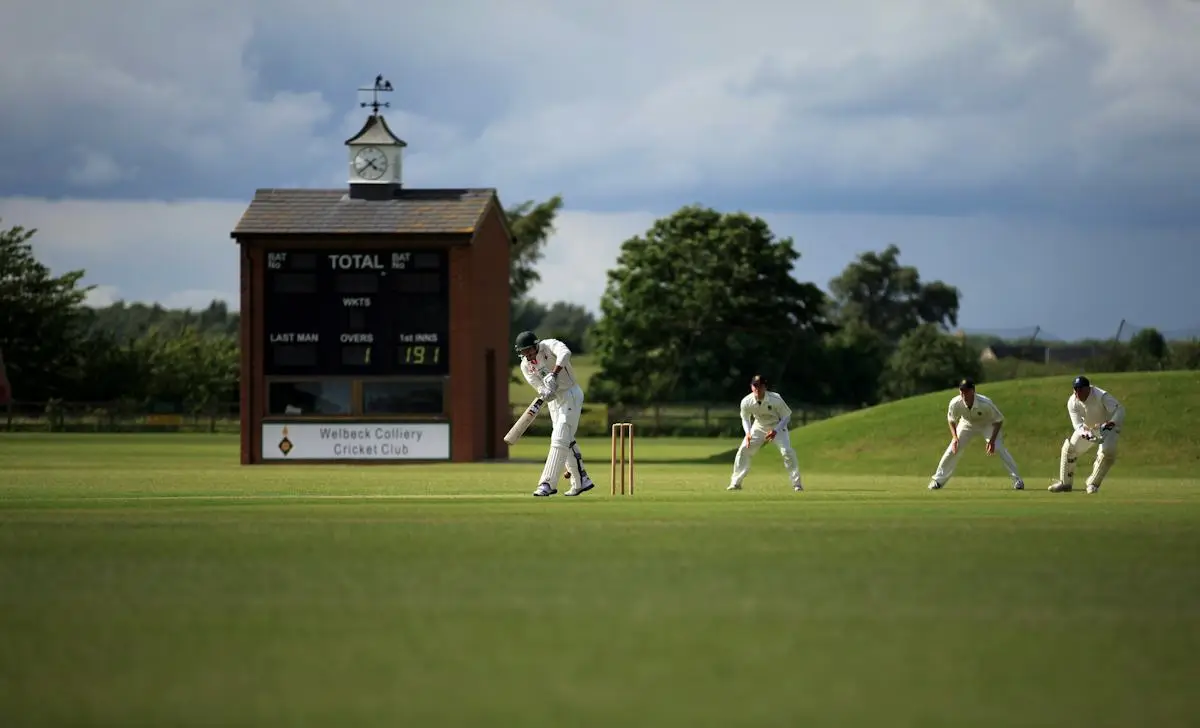
A club built around the whole game.
Technique. Judgement. Team spirit.
Cricket asks you to be an individual and a team-mate at the same time. At Lumethariqenessa, that balance shapes our approach: thoughtful practice for your own game, and shared standards that make a side work together.
We welcome enquiries from beginners, experienced club players and people returning after time away. Your first conversation is about your experience, the cricket you enjoy and the time you can realistically commit. From there, we can discuss an appropriate training group and what to expect before you arrive.
Our aim is a dependable cricket routine: arrive prepared, practise with intent, listen to feedback and leave with something useful to work on. Progress should feel understandable, whether you are learning a defensive shot or building a plan for a long spell.
02 / Training & development
Make every session count.
Good practice connects technique with the decisions a match asks you to make. A session might begin with movement and ball-handling, move into a focused batting or bowling drill, then finish with a realistic scenario that puts the skill under pressure.
Batters explore balance, shot selection, strike rotation and running between the wickets. Bowlers work on repeatable actions, a reliable stock delivery and plans for different batters. Fielding sessions connect catching, footwork, throwing and communication so that the whole unit moves with purpose.
Tell us about your current experience and availability. We will discuss suitable options, the equipment to bring and any access or participation needs before a session is agreed.
The development scorecard
Six habits. A stronger cricketer.
Measure the things you can influence. These six areas give training and match reviews a practical focus throughout the season.
01
Preparation
Know your session aim, check your kit and arrive ready to warm up. A reliable routine creates space to concentrate on the cricket.
02
Technique
Build repeatable movements before adding speed or pressure. Make a small adjustment, test it and notice the result.
03
Decision-making
Read the ball, the field and the situation. A well-chosen option matters as much as a well-executed stroke or delivery.
04
Communication
Call early, share useful information and keep messages calm. Good communication helps the whole side respond together.
05
Adaptability
Revisit your plan when conditions change. Surface, weather, opponents and match situation all ask different questions.
06
Reflection
Choose one useful lesson after a session or match. Bring it into the next practice and look for a specific improvement.
03 / Club life
More than a place in the side.

Practice with a reason.
A net session becomes more valuable when you know what you are testing. Begin with a clear objective: leaving well outside off stump, landing a consistent length or keeping your shape through a controlled drive. Repetition establishes the movement; a scenario then asks you to choose when to use it.
Finish by identifying what held up under pressure and what needs another look. That simple feedback loop keeps practice connected to your game.

A shared part of your week.
Club cricket depends on people who contribute in different ways. Players, scorers, supporters and volunteers each help a day run well. Clear arrival times, considerate communication and respect for the venue make it easier for everyone to participate.
If you would like to help beyond playing, tell us what interests you. Scoring, preparing equipment and supporting club activities can all offer a way into the community.

Progress you can recognise.
A useful development plan is specific enough to act on. That might mean a more balanced set-up, an earlier first step in the field or a clearer plan to a left-handed batter. Small, observable changes are easier to practise and review than broad promises about performance.
Bring questions to your sessions. Understanding why a drill matters helps you practise independently and carry a technical adjustment into a match.

Learn to read the game.
Preparation includes more than your own skill. Think about the surface, field dimensions, likely match conditions and the role you may be asked to play. Batting partnerships, bowling changes and field settings work best when the team understands the plan.
Selection and opportunities depend on the group and fixture. Discuss availability early, ask for clarity about your role and use the review afterwards to shape your next training priority.
The thinking cricketer
Good decisions begin before the ball is bowled.
Cricket rewards attention. Notice where a bowler is trying to land the ball, how the field changes and which scoring options remain available. A clear observation is often more useful than a complicated new technique.
Our approach links the physical and tactical sides of practice. Set a simple plan, test it in a realistic situation and review the outcome without judging everything by a single ball. Confidence grows when you understand your options.

What you can expect
Standards that bring a team together.
A constructive club environment comes from everyday habits. These are the principles that guide how we practise, communicate and compete.
A connected team
Support the player beside you. Make clear calls, share observations and recognise the work that happens between the highlights. A partnership or a fielding unit is stronger when everyone understands the next task.
Coaching with context
Understand the purpose behind a drill. Useful feedback explains what happened, suggests one achievable adjustment and gives you a chance to try again. Learning is a conversation, not a list of instructions.
Respect for the game
Compete with intent while respecting opponents, officials and the people who make the day possible. Respond calmly to decisions, care for the ground and recognise that a good cricket day matters beyond the result.
04 / Season planning
The rhythm of a cricket season.
01
Prepare
Before the season
- Discuss your availability and the cricket you hope to play.
- Review kit, footwear and protective equipment before the first session.
- Build training gradually after time away from regular activity.
- Agree a small number of development priorities to revisit.
- Confirm current session times directly with the club team.
02
Play
Through the season
- Check the latest fixture and arrival arrangements before travelling.
- Arrive with time to warm up and understand the team plan.
- Adapt to the surface, conditions and the role you are given.
- Keep communication clear when availability or weather changes.
- Use each match to identify a practical priority for training.
03
Reflect
Between playing blocks
- Look for patterns across several sessions, rather than one result.
- Review batting decisions, bowling consistency and fielding habits.
- Recognise useful contributions that do not appear on a scorecard.
- Discuss the next training block and any change in your goals.
- Stay connected through club activities and opportunities to help.
Cricket, understood
Notes from the crease.
Batting
Build an innings, not just a highlight.
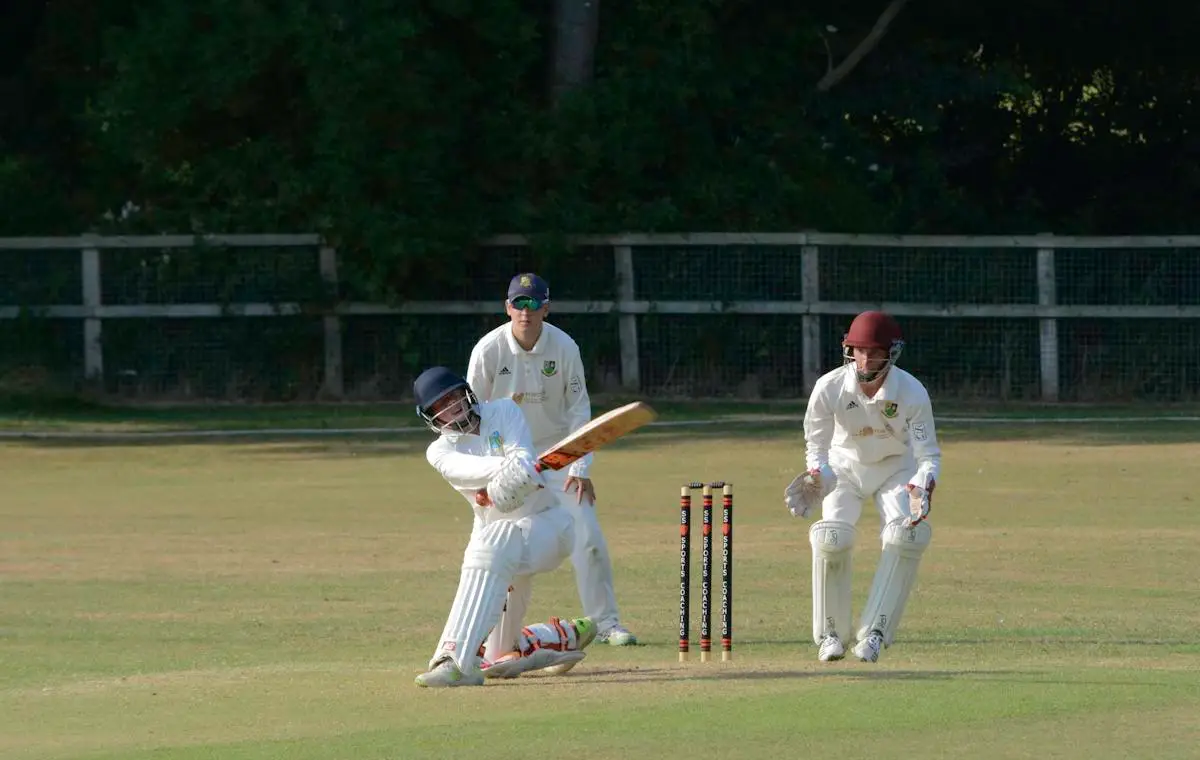
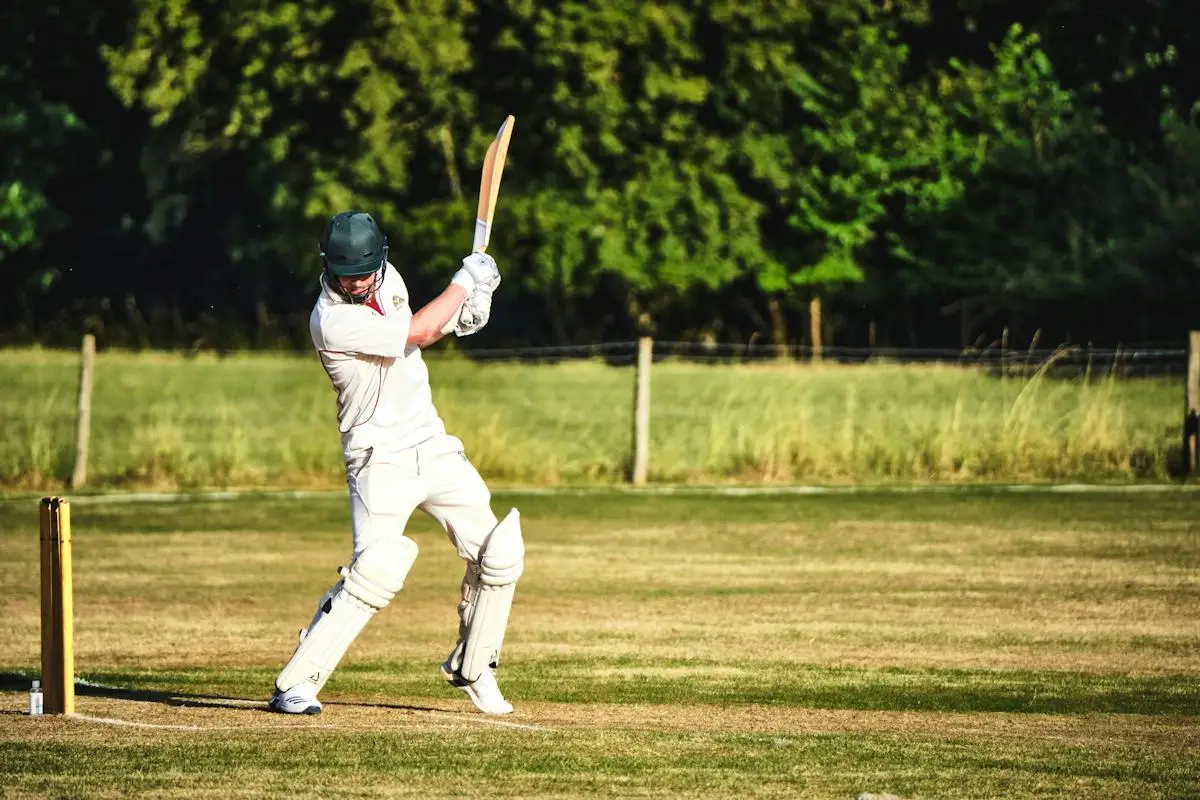
A dependable innings begins with observing the ball and understanding risk. Establish your balance, look for low-risk singles and communicate clearly with your partner. As the field changes, revisit where you can score rather than repeating the same option. Practice should include leaving, defending and rotating strike as well as boundary shots.
Bowling

Give every delivery a purpose.
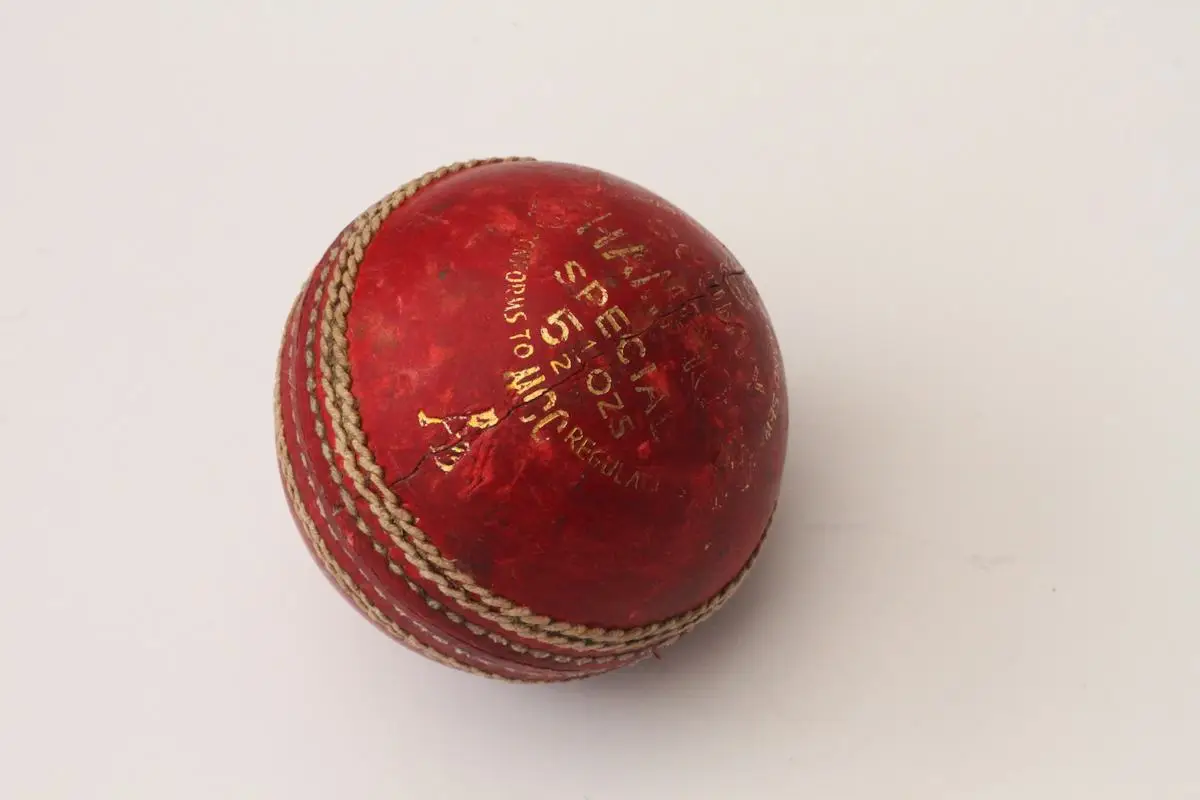
Start with a stock ball you can repeat. Line, length and an appropriate field give a spell its structure; variations become useful when they serve a plan. Notice the batter’s movement and the surface response, then make a deliberate adjustment. Review the quality of the decision alongside the result of the delivery.
Match awareness
The small details change an over.
Running, backing up and fielding positions affect the game every ball. Agree calls with your partner, stay alert to a second run and know your responsibilities as the ball travels. In the field, move with the shot and communicate early. Scenario practice helps turn these small details into reliable team habits.
The wider game
Different grounds. The same love of cricket.
A photographic look at the spaces that give cricket its character, from an open outfield to a floodlit evening.

Under the lights

Beyond the boundary

A different perspective

Room for the game
People behind the cricket
Good guidance. Shared responsibility.
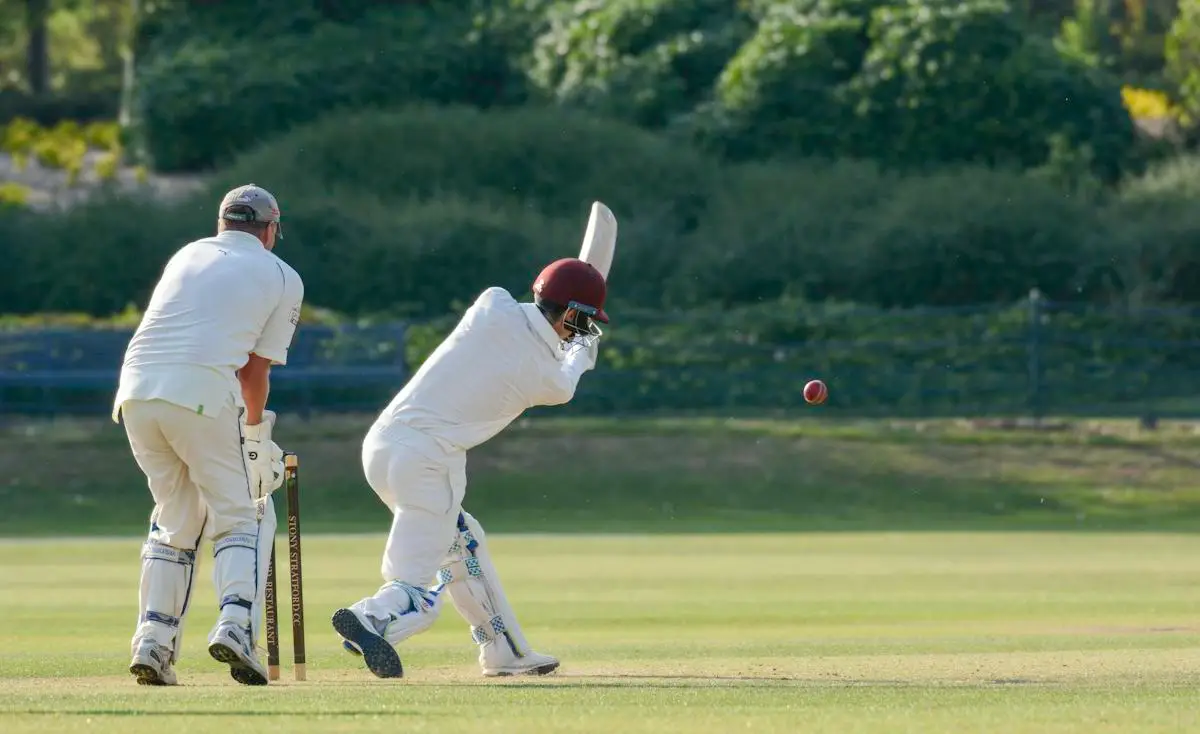
Match-day leadership
Clarity on and off the field
A captain connects the team’s preparation with the decisions that arrive during play. Clear roles, calm communication and awareness of conditions help players contribute with confidence. Talk to the club about your experience and the role you enjoy; match opportunities and responsibilities are discussed in context.
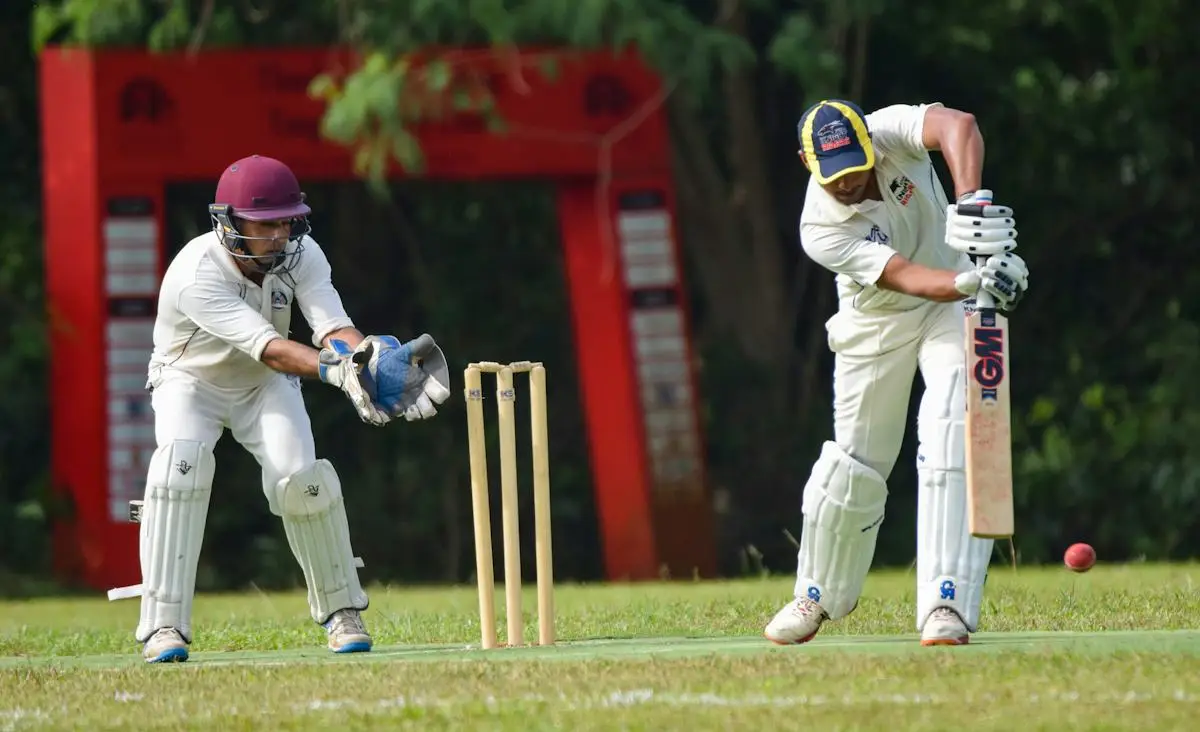
Coaching & development
Understand your next step
Coaching should make the game easier to understand. The aim is to connect a player’s current strengths with one or two useful priorities, then choose practice that supports them. Questions, observation and constructive feedback all matter. Before joining a group, discuss your experience, goals and any support you may need.
The player experience
Find your own way into the game.
Different starting points. The same thoughtful approach to club cricket.

You do not need to know every fielding position before making an enquiry. Explain what interests you and ask about a suitable introduction. Start with the basics: handling the ball, moving comfortably and understanding how a session works. Learning the language of the game is part of the process.
Starting out
For a first step into cricket

Time away from cricket can change your routine and confidence. Begin with realistic availability and build practice gradually. Revisit familiar skills without expecting everything to return in one session. A clear conversation about your experience helps identify an appropriate starting point.
Returning to play
For a new chapter at the crease

If you already play regularly, bring a question you want to work on. It might be scoring against a particular field, controlling your length or responding to pressure. A specific aim helps shape a session and gives you something useful to review afterwards.
Developing your game
For a focused next step

There is more than one way to be part of club cricket. Scoring, helping with equipment and supporting club activities all contribute to the day. Tell us what you enjoy and when you are available so we can discuss opportunities that fit.
Contributing beyond play
For everyone around the boundary
01 / 04
Club kit & match essentials
Ready for your next session.
Simple essentials for training and match days. Ask about the current range, available sizes and the confirmed price before ordering.

Ask for current price
Playing shirt
- Comfortable movement for batting, bowling and fielding
- A clean cricket style for training and match days
- Ask about fabric, care and sizing before choosing
- Confirm the current colour and size availability
- Orders and collection are arranged with the club

Ask for current price
Cricket cap
- A practical addition to your match-day kit
- A traditional curved peak and understated colour
- Ask about fit and any available size options
- Confirm the current range with the club team
- Check care details before washing or storing

Ask for current price
Training bottle
- Keep water close at nets and on match days
- A reusable option for your regular training bag
- Ask about the available capacity and material
- Wash and dry thoroughly between uses
- Confirm availability before arranging collection
Before you join
A few things you might be wondering.

You can enquire at any stage. Tell us whether you are new to cricket, returning after a break or already playing regularly. We can discuss a suitable next step, explain what a session involves and let you know which options are currently available.
Use the enquiry form below or email info@lumethariqenessa.com. Include a little about your experience, the cricket you would like to play and your usual availability. An enquiry is a starting conversation; membership and any costs are confirmed separately before you commit.
Bring comfortable clothing, appropriate footwear and water. Check the session details with the club before you travel, including any protective equipment you need and whether equipment can be arranged. Do not assume that specialist kit will be available without checking first.
Contact the club for the confirmed ground, date, start time and entrance details for your activity. The club contact address is not a guarantee that a training session or fixture takes place there. Ground arrangements can vary, so check before travelling.
Yes. A parent or guardian should make the initial enquiry for a player under 18 and confirm the relevant age group, supervision and attendance arrangements. Please avoid including a child’s detailed personal or medical information in a first message.
Fees depend on the activity, group and current arrangements. Ask what is included, whether there are additional match or equipment costs, and how cancellation or refund terms apply. The club will confirm the relevant details before an agreement is made.
Check directly with the club before travelling. Fixtures and sessions can change because of weather, ground conditions or scheduling. Confirm the latest start time and arrival instructions; do not rely on an earlier date or an unconfirmed event listing.
Tell us about your interests and availability. Club activities can involve scoring, equipment preparation and other practical support. Any role, training, checks or supervision needed will depend on the activity and should be agreed before you begin.
A straightforward start
Your route to the first session.
A useful introduction starts with a conversation. Tell us where you are with your cricket, what you would like to work towards and when you can take part. We will discuss current options and the practical details before you decide what comes next.
-
01
Say hello
Share your experience, preferred role and general availability.
-
02
Find the fit
Discuss a suitable group, current fees, equipment and arrangements.
-
03
Come prepared
Confirm the ground and time, then arrive ready to meet the group.
Make it part of your week
Give your cricket a regular place.
A little consistency goes a long way.
You do not have to change everything at once. A dependable practice routine, one clear focus and time to reflect can make cricket more enjoyable and your progress easier to understand.
Be realistic about the time you can commit. Let the club know when work, study or family responsibilities affect your availability, and ask how to stay involved between sessions. A sustainable routine is more useful than a busy first week followed by a long gap.
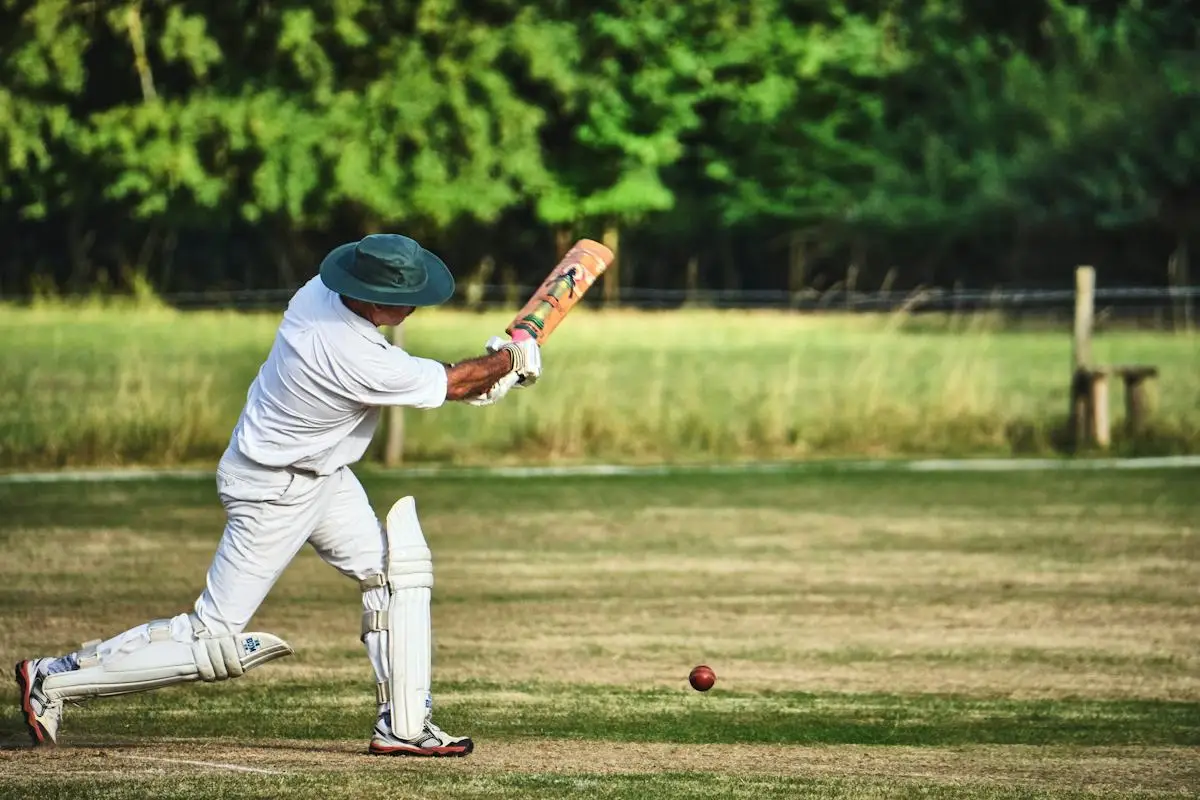
The match-day mindset
Read the conditions. Adapt your plan.
One game. A different challenge every time.
An overcast morning, a slow outfield or a change of bowling can alter the questions a match asks. Good preparation leaves room to respond. Observe what is happening, talk with your team-mates and choose the next useful action.
In practice, scenarios help you rehearse those decisions: protect a wicket, rotate strike against a tight field or defend a target with disciplined lines. The aim is to make a plan clear enough to use and flexible enough to change.
Prepare · Observe · Adapt

Between the wickets
Every ball is a new opportunity.
Care for the game
A good cricket day starts with good habits.
Check your kit before leaving home and confirm the latest arrangements before travelling. Build in time for a suitable warm-up, keep water available and speak up if something affects your ability to take part safely.
Follow the venue’s instructions, use appropriate protective equipment and give other players space during practice. Look after shared kit, leave changing and spectator areas tidy and respect the people preparing the ground.
If an injury, access need or welfare concern affects participation, discuss it with an appropriate club contact. An open conversation before the activity helps everyone understand the practical arrangements.
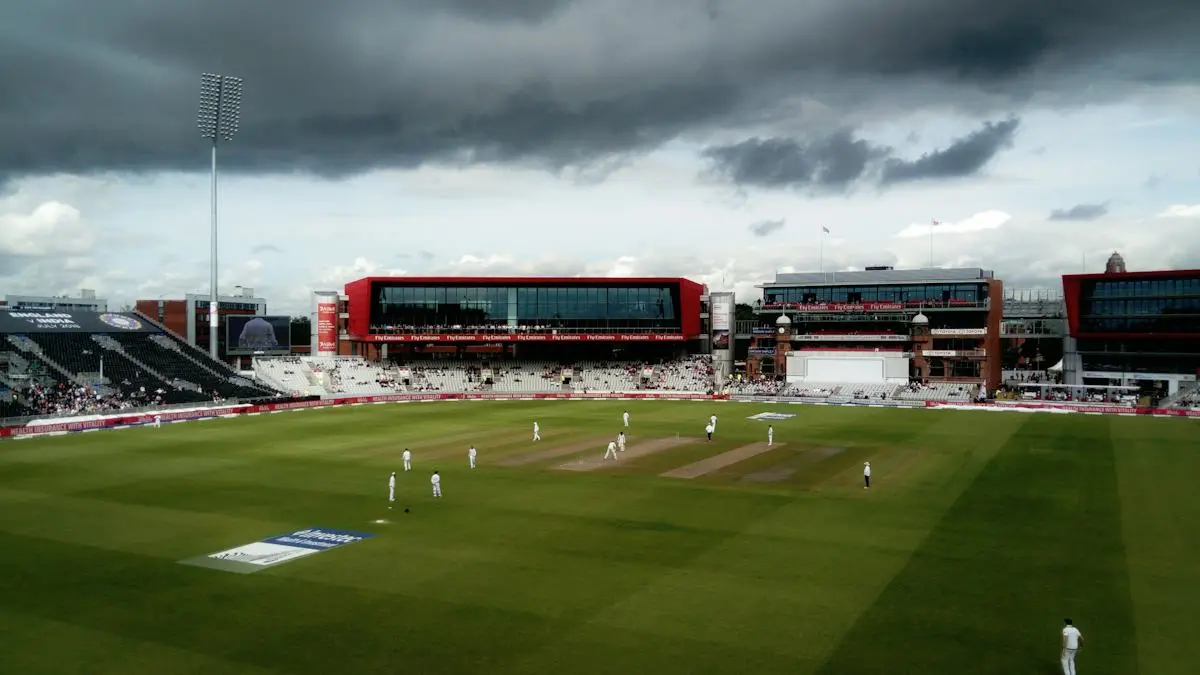
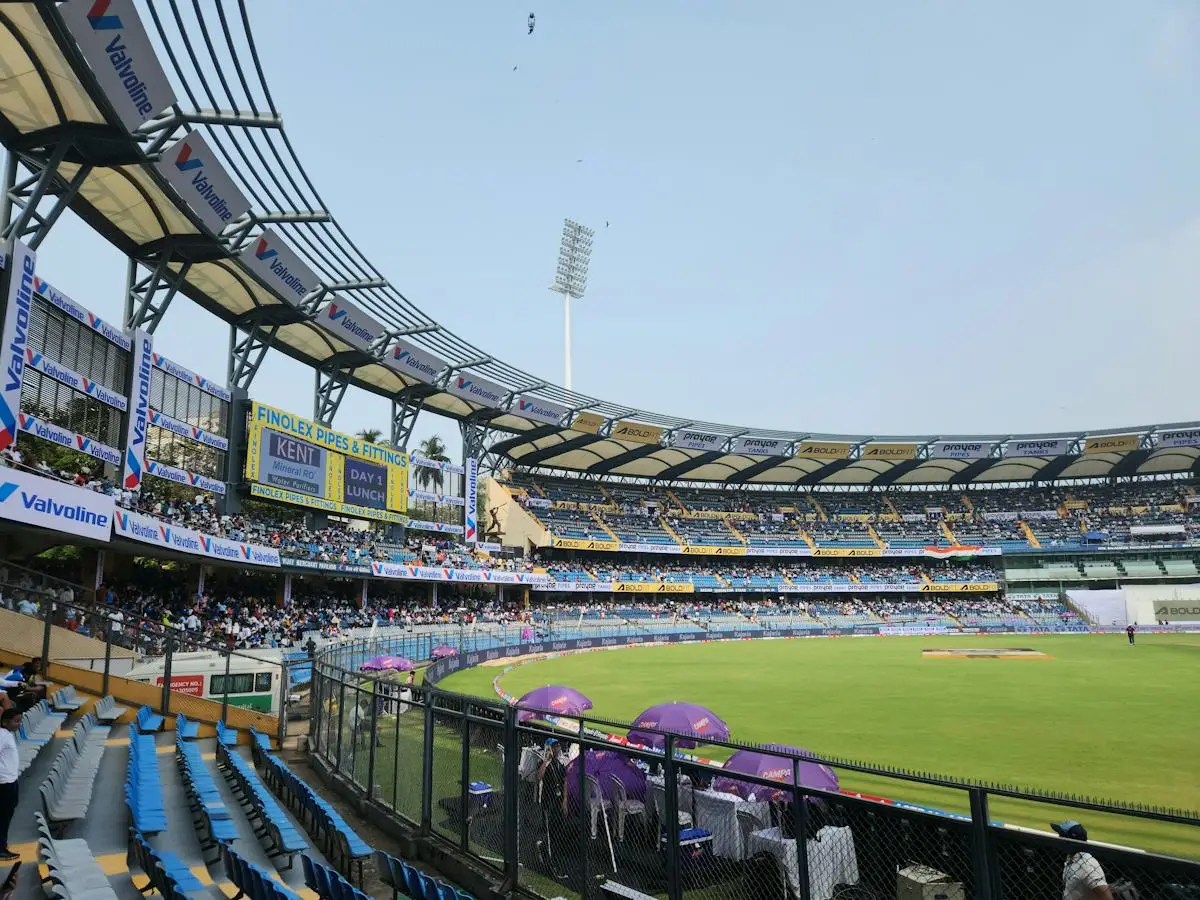
A shared cricket community
There is a place beyond the boundary.
Players. Families. Volunteers. Supporters.
The life of a cricket club extends beyond the players in the middle. People who keep score, prepare equipment, support an activity or simply welcome someone new make the environment more dependable and enjoyable.
If you want to contribute, start with what you enjoy and the time you have. Ask which opportunities are available and what responsibilities are involved. Where an activity requires training, supervision or checks, those arrangements should be clear before you begin.
Respect is the common thread: listen to each other, include new faces and make constructive feedback part of the conversation. That is how a collection of players becomes a club.
Ready for your next innings?
Tell us about your game. We will help you explore the next step at Lumethariqenessa.
London · United Kingdom
Plan your visit.
Contact us before travelling to confirm the ground, session time and entrance for your activity. Training and fixtures may use different venues. The address below is the club contact address.
123 Cricket Lane, London, SW11 4AB, United Kingdom
Confirm your visit05 / Join the conversation
Let’s talk cricket.
Tell us a little about yourself and what you would like to explore: a first session, a return to playing, regular training or a way to help the club.
Your experience, preferred role and general availability give us a useful starting point. For enquiries about a player under 18, a parent or guardian should contact us. Please leave sensitive medical details out of your first message.
Prefer to write directly?
info@lumethariqenessa.com
Club contact details
Keep in touch.
020 7946 0958
123 Cricket Lane, London, SW11 4AB, United Kingdom